“Great service is based on the idea:-
That a pain in the arse to you
Could be life or death to someone else.”
— My grandad. A man who understood service long before it became a buzzword.
Hospitality. Leadership. Business.
The stuff that actually moves the needle.
Most businesses don’t fail because of a lack of effort.
They fail because they’re stuck moaning about the sandbox instead of using what’s already in it.
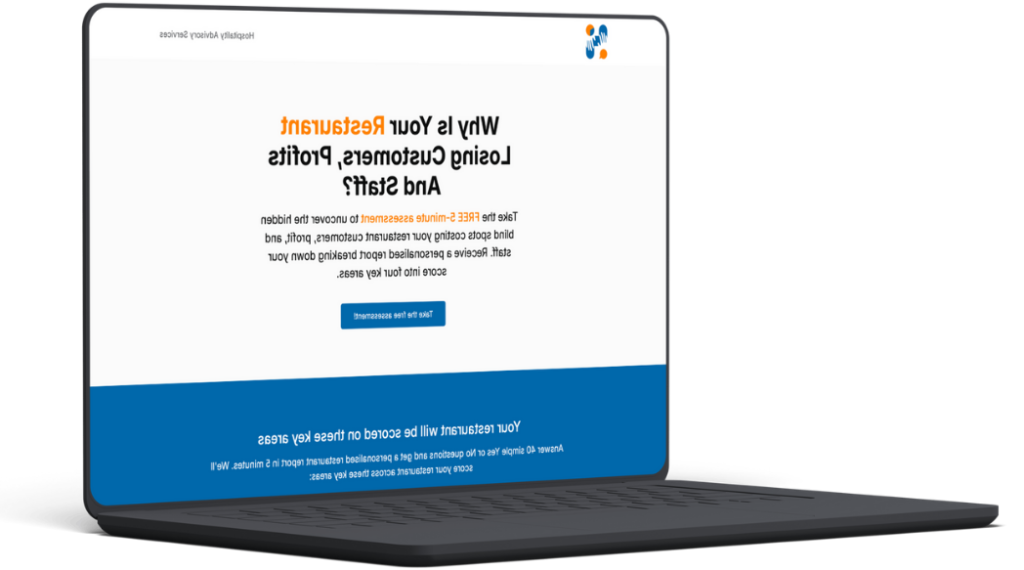
If any of this sounds uncomfortably familiar, the fastest way to get clarity is the scorecard below.

Most people aren’t bad at business.
They’re just stuck fighting the wrong fight.
You don’t get to choose your industry, your costs, the rules, or the hand you were dealt.
That’s the sandbox.
And yes — sometimes it’s unfair, frustrating, and makes you want to throw your toys out of it.
But spending your energy moaning about what should be different rarely makes anything better — it just makes you more tired.
The owners who make progress are the ones who stop arguing with reality and start asking a better question:
“Given the sandbox I’m in — what’s the smartest move I can make next?”
That mindset shift is where progress actually starts.
I’ve seen what happens when people don’t make that shift — and it’s rarely because they didn’t try hard enough…

I’ve watched good people burn themselves out working harder every year… only to feel further behind.
Not because they don’t care.
Not because they’re lazy.
But because they’re fixing symptoms instead of the system underneath.
Margins get squeezed, teams get thinner, standards quietly drop.
And suddenly the business that was meant to give them freedom becomes the thing that traps them.
This blog exists to challenge that cycle — and to show what actually moves the needle when you’re operating in the real world, not a spreadsheet fantasy.
If that way of thinking resonates, you’ll probably get value from the scorecard.
It’s a simple way to see where your business is fighting the sandbox — and where there’s room to play smarter.
I don’t start with advice.
I start with diagnosis.
Most owners already have opinions.
Most businesses already have ideas.
What they usually don’t have is a clear picture of what’s actually happening when they’re not in the room.
So before I suggest fixes, frameworks, or training, I diagnose the business properly — in three deliberate steps.
Step 1
Mystery Shop
What customers experience when you’re not in the room.
Step 2
Team Conversations
What staff experience every day — and why it matters.
Step 3
Service Observation
How the system actually behaves under pressure.
Where the scorecard fits
The scorecard is a simplified version of this diagnosis.
It brings clarity to three simple questions:
- Where is pressure is building?
- Which step is being skipped?
- Where is the smartest next move?
It’s not advice.
It’s clarity.
The insight most people miss…
Most problems don’t start where they show up.
They show up downstream — in margins, morale, complaints and staff turnover… but they’re created upstream in leadership, clarity, and service behaviour.
That’s why quick fixes don’t stick.
If you want a clear, unemotional view of your business, start here.
See where your business is fighting the sandbox — and where there’s room to play smarter.
The 3 Pressure Points Most Owners Miss
Most struggling businesses aren’t broken.
They’re just leaking pressure in the same three places — quietly, consistently, and usually unnoticed.
Fixing the wrong one first is why so many improvements don’t stick.
People don’t fail standards — they follow the ones you actually reinforce.
What you intend vs what customers actually experience is rarely one and the same.
You can’t manage what you only look at after the damage is done

1. Leadership & Clarity
Most teams aren’t unclear because they’re incompetent.
They’re unclear because expectations change depending on who’s on shift, how busy it is, or how tired the owner feels that week.
Standards exist — but they’re inconsistent.
Decisions get made — but they’re not explained.
Problems get fixed — but only in the moment.
Over time, this creates friction, frustration, and a team that plays it safe instead of taking responsibility.
Pressure builds here first — long before it shows up in results.

2. Customer Experience
Owners usually know what should be happening.
What they don’t always see is:
- where service drops under pressure
- where small moments break trust
- where effort is high but impact is low
- Service rarely collapses in one big moment.
It erodes quietly — through rushed interactions, missed cues, and standards that slip “just this once”.
Customers feel it long before you measure it.

3. Money
Most owners look at the numbers too late — or at the wrong ones.
By the time margins hurt, morale’s already dipped.
By the time cash feels tight, inefficiency has been baked in for months.
Without clear feedback loops, decisions get made on gut feel, stress, or habit — not reality.
And pressure keeps compounding.
The pattern most people miss
These pressure points don’t live in isolation.
Leadership affects service.
Service affects spend and retention.
Money problems feed back into leadership decisions.
That’s why fixing just one rarely works.
The scorecard highlights which of these pressure points is doing the most damage right now — and which one will give you the biggest return if you address it next.
Not everything.
Not forever.
Just the smartest move, given the sandbox you’re in.